🧬
What's Included in East Hampton
- Bathroom Mold Cleanup
- Moisture Source Location
- Mold Inspection
- Content Cleaning
- Antimicrobial Treatment
- Air Quality Testing
- Containment Setup
- Basement Mold Cleanup
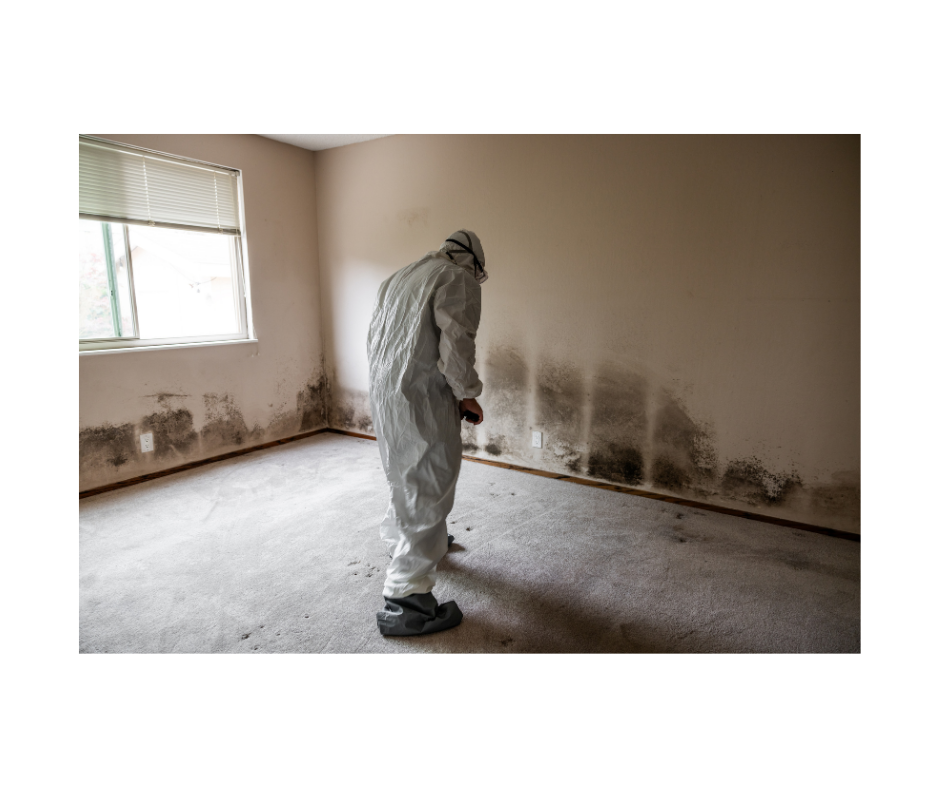
Musty odors and visible growth in East Hampton are signs to act. Crews assess the extent, contain the area, and remove mold safely. Referral hotline: your call is routed to a licensed, insured local restoration company.
Call 516-716-8330
The village of East Hampton (11937) sits on Long Island's East End in the Town of East Hampton, near Amagansett, Wainscott and Montauk. Mold in unoccupied East End houses is often discovered only when owners return.
Power loss after a major storm stops dehumidifiers and sump pumps, and mold can follow within days. Salt-air humidity near the water means damp materials stay damp longer. Unused wings, guest rooms, and lower levels in big houses are common places for hidden mold.
Knowing these local patterns helps crews in East Hampton check the likely hiding spots, not just the visible staining.
The same crews cover nearby Amagansett, Wainscott and Montauk. Crews also handle water damage in East Hampton and fire and smoke damage in East Hampton.
Yes. Closed houses with no airflow or dehumidification can grow mold quickly, especially in humid weather.
Some people are more sensitive than others, and mold can trigger allergy and breathing symptoms. Remediation removes it safely and reduces exposure.
Mold needs moisture, so leaks, flooding, condensation, and poor ventilation are the usual causes. Basements, attics, and bathrooms are common spots.
Timelines depend on the size and location of the growth. A specific estimate follows the assessment.
The process includes containing the area, removing contaminated materials, HEPA cleaning, and confirming the result.