💧
What's Included in Great River
- Content Restoration
- Structural Drying
- Storm & Flood Cleanup
- Appliance Leak Cleanup
- Humidity Control
- Burst Pipe Cleanup
- Basement Water Removal
- Sewage Cleanup
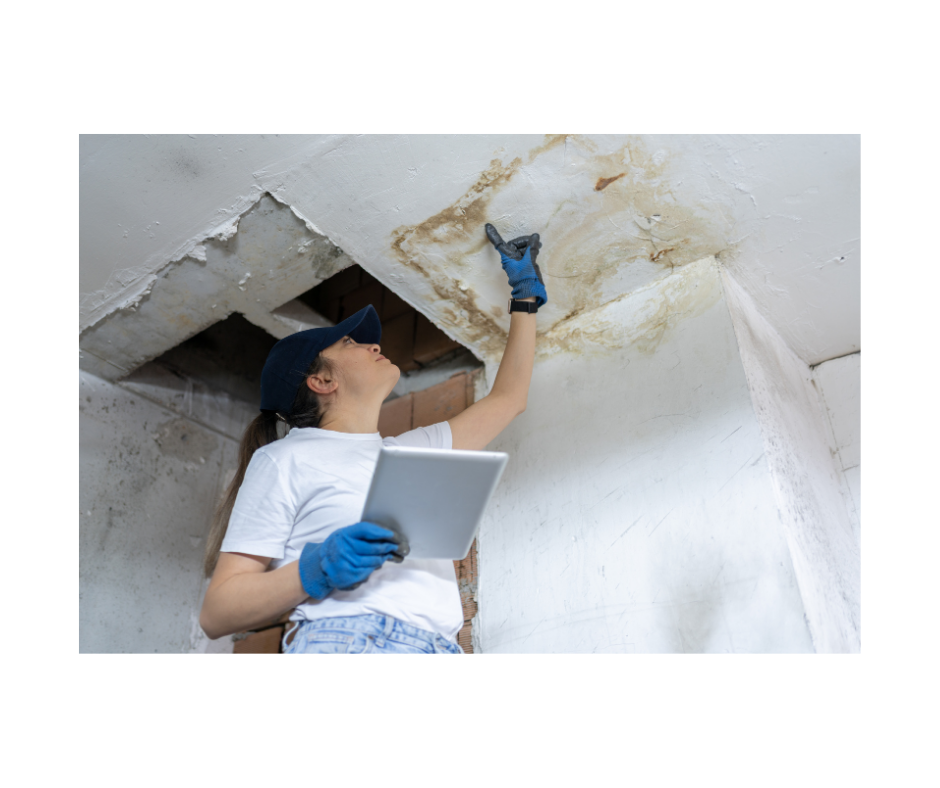
Standing water in Great River keeps causing damage by the hour. Crews move quickly to remove it and dry the structure. Referral hotline: your call is routed to a licensed, insured local restoration company.
Call 516-716-8330
Great River sits on Suffolk's South Shore, with Oakdale, East Islip and West Sayville nearby. Hurricane Sandy in October 2012 brought record coastal flooding to the Great South Bay, with a surge of roughly 6 to 7 feet along the southwest Suffolk shore, according to the National Weather Service.
On August 13, 2014, 13.26 inches of rain fell at MacArthur Airport in Islip, a New York State 24-hour record that flooded parts of southwest Suffolk. Being near the bays means Great River deals with tidal and storm-driven water that communities farther inland rarely see. Raised homes protect living areas, but lower-level enclosures and utility equipment remain exposed to flooding.
For Great River property owners, that means starting extraction and drying early and documenting the loss carefully for the claim.
Nearby areas served include Oakdale, East Islip and West Sayville. Crews also handle fire and smoke damage in Great River and mold remediation in Great River.
In Great River, crews commonly see supply line failures, appliance leaks, sump pump problems, and storm-driven water.
Sewage from a failed cesspool or septic system needs containment and sanitizing, not just drying. Many policies treat backups separately, so check what yours covers.
That depends on the water source and the damage. Contaminated water or electrical hazards can make a home unsafe, and crews can advise after a quick assessment.
Yes. Salt-water flooding calls for extraction, removal of contaminated materials, sanitizing, and thorough drying, and documentation matters for flood-policy claims.
Often, yes, when drying starts quickly and uses proper equipment. Materials that stayed wet too long may need replacement.