🧬
What's Included in Long Beach
- Attic Mold Cleanup
- HEPA Air Filtration
- Humidity Control
- Drywall & Insulation Removal
- Air Quality Testing
- Antimicrobial Treatment
- Basement Mold Cleanup
- Containment Setup
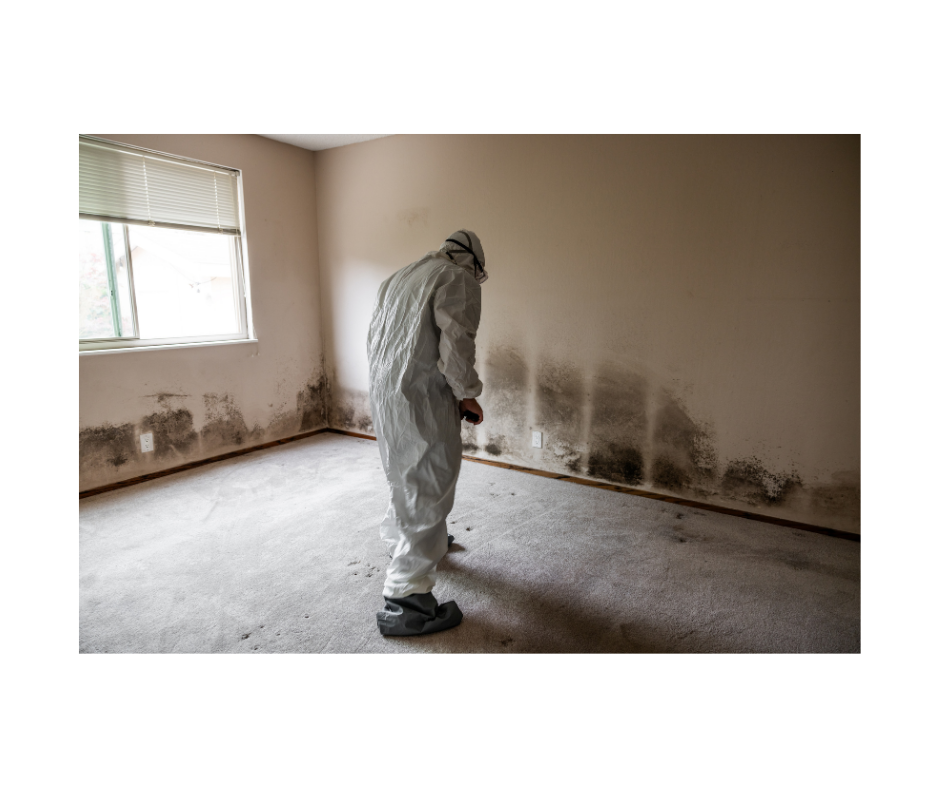
Musty odors and visible growth in Long Beach are signs to act. Crews assess the extent, contain the area, and remove mold safely. Referral hotline: your call is routed to a licensed, insured local restoration company.
Call 516-716-8330
Long Beach (11561) is in the South Shore area, close to Island Park, Atlantic Beach and Point Lookout. Incorporated in 1922 as a planned beach resort, Long Beach sits on a barrier island between Reynolds Channel and the Atlantic.
Hurricane Sandy caused major damage here in 2012, and most properties fall in high-risk flood zones where flood insurance is part of life. Flood-soaked insulation, drywall, and framing are the usual starting point for mold after a surge or heavy storm. Dehumidification and source correction are important for keeping mold from returning in a damp coastal setting. Moisture mapping helps show where dampness is hiding so remediation can target the source.
That is why acting early matters in Long Beach: mold spreads wherever moisture stays.
Nearby areas served include Island Park, Atlantic Beach and Point Lookout. Crews also handle water damage in Long Beach and fire and smoke damage in Long Beach.
Timelines depend on the size and location of the growth. A specific estimate follows the assessment.
Very small surface spots can sometimes be handled at home, but larger or hidden growth needs containment and proper removal so spores do not spread.
Some people are more sensitive than others, and mold can trigger allergy and breathing symptoms. Remediation removes it safely and reduces exposure.
Mold needs moisture, so leaks, flooding, condensation, and poor ventilation are the usual causes. Basements, attics, and bathrooms are common spots.
Coverage depends on the cause. Mold resulting from a covered sudden water loss is more likely to be covered, while long-term neglect usually is not. Crews provide documentation for the claim.